Story Shelf Book
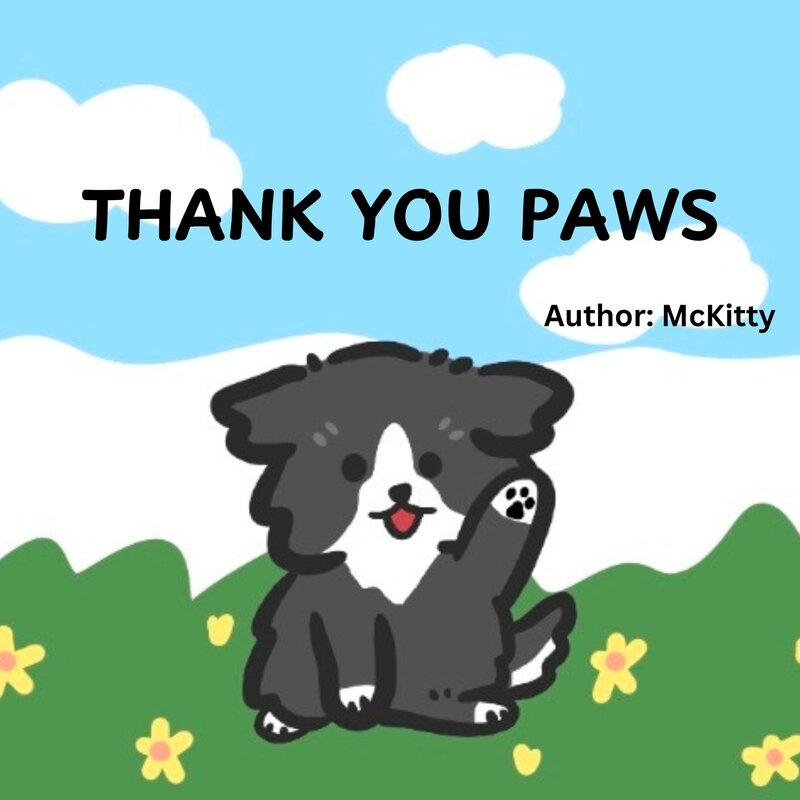
Thank You Paws
Zuki learns that gifts and treats should never be expected, and that gratitude turns everyday moments into something special.
For Educators
A simple “thank you” can open the door to meaningful conversations, creative expression, problem-solving and social learning. Explore the learning opportunities below to extend the story beyond reading time and bring gratitude into everyday play and experiences.
Gratitude, Empathy, Kindness and Relationships
Help children recognise how their words and actions can make others feel valued and appreciated.
Let's explore:
- Gratitude Circle: Invite children to share something kind that someone has done for them.
- How Would You Feel? Discuss how children might feel when a friend helps them or shares a toy.
- Kindness Moments: Encourage children to notice acts of kindness throughout the day.
EYLF connection: Outcomes 1, 2 and 3.
Communication, Vocabulary, Storytelling and Comprehension
Use the story to develop children's understanding of gratitude while encouraging them to express their ideas and experiences.
Let's explore:
- Story Discussion: Ask children why we say “thank you” and how it makes others feel.
- Retell the Story: Use puppets, props or pictures to sequence events from Mochi and Zuki's adventure.
- Thank-You Messages: Invite children to write or draw a message of appreciation.
- Word Exploration: Discover words such as gratitude, appreciate, kindness and thankful.
EYLF connection: Outcome 5.
Imagination, Self-Expression and Representing Ideas
Give children opportunities to express appreciation through different forms of creative expression.
Let's explore:
- Thank-You Cards: Create cards using drawing, painting, collage and recycled materials.
- Kindness Artwork: Invite children to create artwork representing kindness.
- Gratitude Tree: Add children's drawings or messages of appreciation to a shared classroom tree.
- Puppet Play: Use puppets to act out situations where characters help one another.
EYLF connection: Outcomes 1, 4 and 5.
Counting, Sorting, Classifying and Patterning
Incorporate mathematical thinking into experiences connected to kindness and appreciation.
Let's explore:
- Kindness Counters: Count the kind acts children notice during the day using counters or tally marks.
- Thank-You Patterns: Create repeating patterns with coloured hearts, flowers or gratitude-themed shapes.
- Sort and Classify: Sort picture cards showing different helpful actions, such as sharing, helping and caring.
- Gratitude Graph: Create a simple picture graph showing children's favourite acts of kindness.
EYLF connection: Outcomes 4 and 5.
Social Interaction, Perspective-Taking and Everyday Communication
Create familiar scenarios where children can explore how gratitude is expressed in everyday life.
Let's explore:
- The Pretend Café: Take turns ordering, serving and thanking one another.
- The Helpful Shop: Practise asking for help, exchanging items and expressing appreciation.
- Everyday Helpers: Role-play situations involving family members, educators, friends and community helpers.
- Mochi and Zuki's Story Corner: Use puppets to create new stories about kindness and gratitude.
EYLF connection: Outcomes 1, 2 and 5.
Observation, Caring for Living Things and Responsibility
Connect gratitude with caring for the world around us and recognising the things that support our everyday lives.
Let's explore:
- Grow Together: Plant seeds and discuss what plants need to grow.
- Nature Appreciation Walk: Explore leaves, flowers, insects and natural patterns.
- Caring for Our Environment: Find ways to look after shared spaces, water plants and reuse materials.
EYLF connection: Outcomes 2 and 4.
Rhythm, Listening, Coordination and Creative Expression
Explore gratitude through music, movement and collaborative experiences.
Let's explore:
- Thank-You Song: Create a simple song using the words “thank you” and children's own ideas.
- Musical Kindness Game: Pass an object around a circle to music. When the music stops, invite children to share something kind or something they appreciate.
- Move Like Mochi and Zuki: Use movement to act out different feelings, such as happiness when someone helps or excitement when sharing with a friend.
EYLF connection: Outcomes 3, 4 and 5.
Belonging, Relationships and Recognising Contributions
Help children connect the story with the people and experiences that are meaningful in their own lives.
Let's explore:
- People Who Help Us: Talk about the people who care for and support us at home and in the community.
- Family Gratitude Project: Draw a picture of someone they appreciate and share it with their family.
- Our Classroom Helpers: Recognise the contributions of peers and educators.
- Kindness Challenge: Invite children to choose one small act of kindness to try at home or in the classroom.
EYLF connection: Outcomes 1 and 2.
Children develop an understanding of gratitude through relationships, observation and meaningful everyday experiences.
Rather than expecting children to say “thank you” on cue, model appreciation, acknowledge their efforts and create opportunities for them to express gratitude in their own ways.
Small moments of kindness can grow into lifelong habits of care, connection and appreciation.