Story Shelf Book
Sorry My Friend
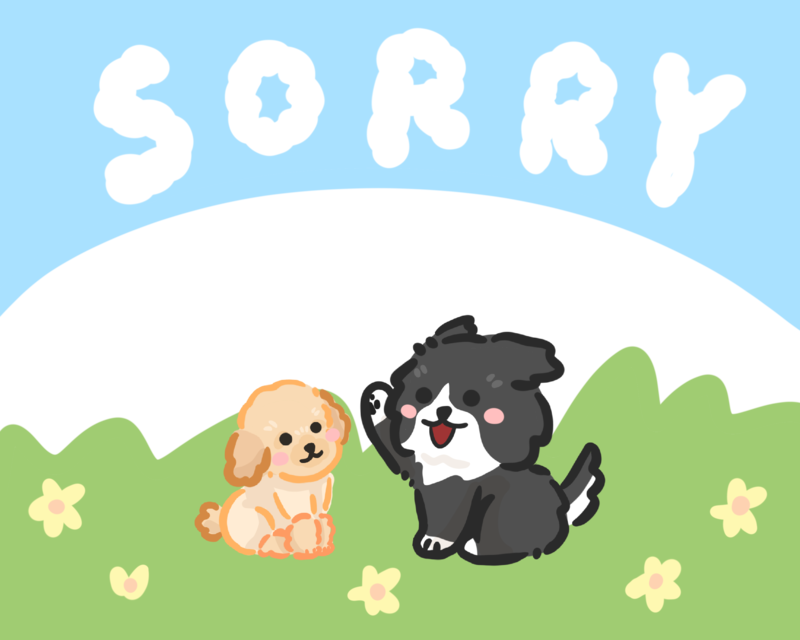
After an accident ruins Mochi's favourite balloon, Zuki must face the fear of saying sorry and learn how apologies help mend friendships.
For Educators
In Sorry, My Friend!, children join Mochi and Zuki on an adventure that explores the importance of saying sorry, recognising others’ feelings and learning how to make things right.
Sometimes, accidents happen, and our actions can affect the people around us. Through this story, children are encouraged to explore what it means to take responsibility, show empathy and care for their friendships.
Use the learning experiences below to extend the story beyond reading time and support children in developing the social and emotional skills they need to navigate everyday interactions.
Empathy, Emotional Awareness, Responsibility and Friendship
Help children recognise their own feelings and understand how their actions may affect others.
Let's explore:
- Feelings Detective: Use emotion cards to explore how someone might feel when a friend accidentally hurts them or takes something without asking.
- How Can We Make It Better? Discuss different ways to respond when our actions upset someone.
- Friendship Repair: Brainstorm ways to rebuild a friendship, such as checking if a friend is okay, offering help or giving them space.
- Reflect and Connect: Invite children to reflect on a time when someone helped them feel better.
EYLF connection: Outcomes 1, 2 and 3.
Communication, Storytelling, Emotional Vocabulary and Problem-Solving Through Language
Encourage children to use words to express their feelings, explain what happened and communicate with others.
Let's explore:
- Story Talk: Ask children what happened in the story, how the characters felt and what they could do differently next time.
- Retell Mochi and Zuki's Adventure: Use puppets or picture cards to sequence the events and discuss how the characters resolve their problem.
- Words That Help: Explore phrases such as “I'm sorry,” “Are you okay?”, “Can I help?” and “How can I make it better?”
- Create a New Ending: Invite children to suggest different ways the characters could solve their problem.
EYLF connection: Outcome 5.
Self-Expression, Imagination and Exploring Emotions Through Art
Provide opportunities for children to represent feelings and explore ways to care for friendships.
Let's explore:
- Emotion Masks: Create masks showing different emotions, such as happy, sad, worried and relieved.
- Friendship Artwork: Invite children to draw or paint what being a good friend means to them.
- Kindness Cards: Create cards with drawings or messages to show care and appreciation for others.
- Puppet Stories: Use puppets to act out friendship challenges and explore different ways to resolve them.
EYLF connection: Outcomes 1, 4 and 5.
Sequencing, Sorting, Classifying and Problem-Solving
Use familiar friendship scenarios to encourage mathematical thinking.
Let's explore:
- What Happened First? Sequence picture cards showing a problem, an apology and an attempt to make things right.
- Sort the Feelings: Sort emotion cards into different categories and discuss how feelings may change throughout a situation.
- Problem-Solving Cards: Match everyday friendship problems with possible solutions.
- Class Feelings Graph: Invite children to choose an emotion they might experience in a given scenario and represent responses in a picture graph.
EYLF connection: Outcomes 4 and 5.
Perspective-Taking, Communication, Negotiation and Conflict Resolution
Create opportunities for children to practise responding to everyday friendship challenges in a safe and supportive environment.
Let's explore:
- Puppet Problem-Solving: Use puppets to act out scenarios such as accidentally knocking over a friend's block tower or pulling a toy too hard.
- Let's Rebuild Together: Intentionally create a collaborative building challenge where children can practise communicating and working through difficulties.
- What Would You Do? Present familiar situations and invite children to role-play different responses.
- Making Things Right: Encourage children to explore different ways to repair a situation, including apologising, helping, listening and giving someone time.
EYLF connection: Outcomes 1, 2 and 5.
Cause and Effect, Observation, Caring and Responsibility
Help children explore how actions can create changes and how we can care for living things and our shared environment.
Let's explore:
- Gentle Hands: Explore how different actions affect plants, leaves or other natural materials, discussing ways to handle them with care.
- Build, Knock Down and Rebuild: Use blocks to investigate what happens when structures are handled gently or knocked over, then work together to rebuild them.
- Caring for Living Things: Discuss how we can show care and respect for animals, plants and the environment.
- Cause and Effect: Explore everyday actions and their consequences, encouraging children to think about what they could do differently.
EYLF connection: Outcomes 2 and 4.
Emotional Expression, Listening, Cooperation and Self-Regulation
Use music and movement to help children explore feelings and practise calming strategies.
Let's explore:
- Feelings Song: Create a song about different emotions and what our bodies might feel like when we are upset, worried or happy.
- Turtle Breathing: Practise taking slow breaths when feelings become overwhelming.
- Move the Feelings: Move like a character who feels frustrated, sad, calm or relieved.
- Stop, Think and Choose: Play a movement game where children practise pausing, listening to instructions and choosing their next action.
EYLF connection: Outcomes 3 and 4.
Relationships, Belonging, Responsibility and Respectful Interactions
Help children understand that mistakes are part of learning and that relationships can be strengthened through care, communication and thoughtful actions.
Let's explore:
- Family Conversations: Invite children to talk about ways family members care for one another after a disagreement.
- Our Friendship Agreements: Work together to develop simple, positive statements about how to treat one another.
- Acts of Repair: Encourage children to notice opportunities to help someone, return an item or assist with fixing something that has been damaged.
- Reflect on Our Day: Share moments when children showed care, took responsibility or worked through a problem together.
EYLF connection: Outcomes 1 and 2.
Learning to apologise is about more than saying the words “I'm sorry.” Children need time and support to recognise feelings, understand the impact of their actions and discover ways to make things right.
Model calm and respectful communication, acknowledge children's emotions and guide them towards meaningful acts of repair. Where appropriate, give the other child time and space to respond, recognising that forgiveness and reconciliation cannot be forced.
Every mistake is an opportunity to learn, grow and build stronger friendships.